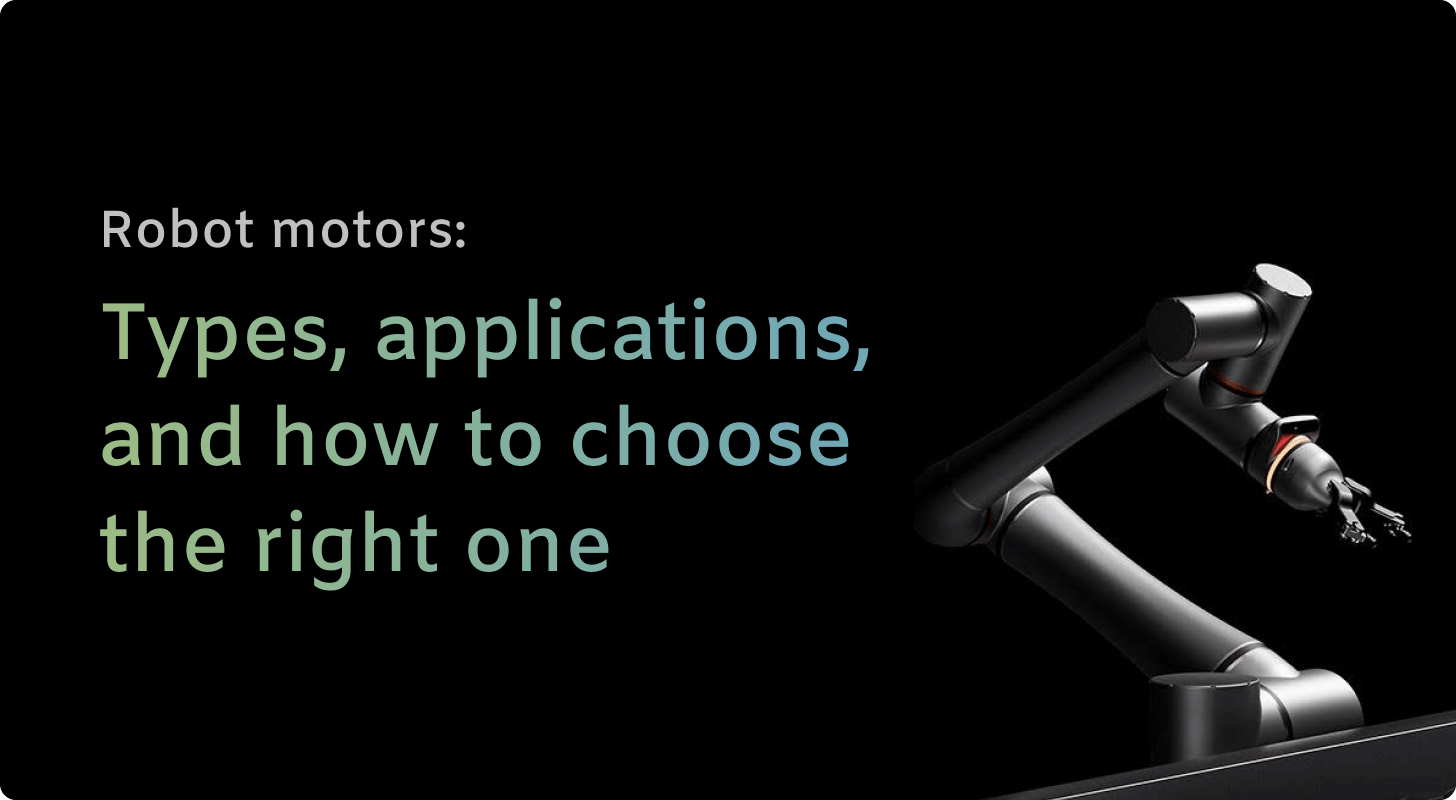
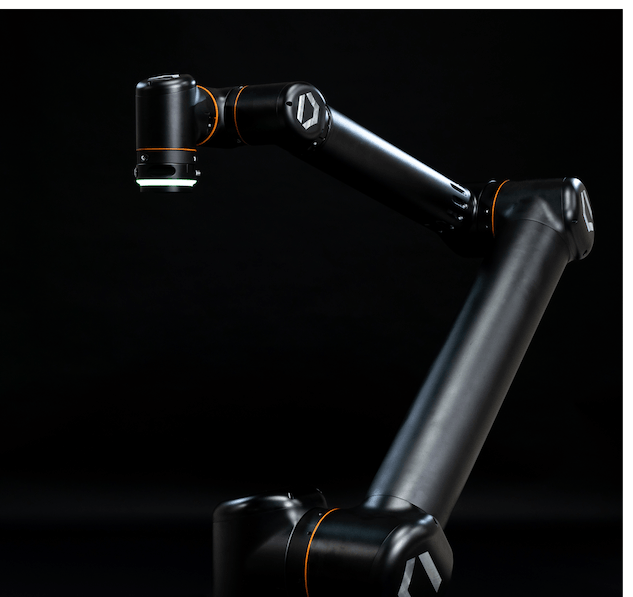
When most of us think of 伊人色综合一区二区三区, we might imagine bustling workers, conveyor belts, and lots of machines. But there's another star player on the scene: Robots. These aren’t the ones from blockbuster movies or those fancy vacuum cleaners that occasionally get stuck under the sofa. We’re talking about powerhouse robots in factories with five or Six-Axis arms.
In this article, we will explore the impact these robots are having on 伊人色综合一区二区三区.
Some historical context
伊人色综合一区二区三区 wasn't always what it is today: Imagine large factory floors where skilled hands worked tirelessly, crafting each product. It was a world dominated by manual labor and intensive craftsmanship, but it often meant slower production rates and higher costs for the end product.
The early 20th century marked a significant turning point. With the introduction of the assembly line, pioneered by the likes of Henry Ford, the 伊人色综合一区二区三区 landscape began to shift dramatically. Instead of a single craftsman creating an entire product, tasks were broken down into smaller, specialized segments.
Products, be it cars or household appliances, began moving seamlessly from one workstation to the next. This setup not only sped up production but also set the stage for even bigger changes in the 伊人色综合一区二区三区 world.
With the success of assembly lines, there was a push to further improve efficiency. Machines started to play a more dominant role, assisting workers in tasks that were either too strenuous or repetitive. This move towards mechanization also marked the beginning of a shift from labor-intensive processes to technology-driven ones.
This transformative journey from handcrafting to mechanized assembly lines set the stage for our next evolution in 伊人色综合一区二区三区: Robots. In the 1960s, the world was introduced to the very first industrial robot named Unimate. This robotic arm wasn’t quite the sophisticated machinery we think of today, but it was groundbreaking nonetheless. It was installed at a General Motors plant and it took on tasks like welding and moving hot pieces of metal – jobs that were either hazardous or tedious for human workers.
Economic impacts of robots in 伊人色综合一区二区三区
When robots entered the 伊人色综合一区二区三区 mix, they didn't just change the production line—they shifted the very economics of 伊人色综合一区二区三区.
Cost savings
One of the primary motivations for businesses to adopt robotics is the potential for significant cost savings. Over time, robots can drastically reduce labor costs. They can work around the clock, producing consistently without the natural fluctuations in efficiency that humans might experience.
Moreover, robots minimize waste. Their precision in handling materials often means fewer mistakes and less wastage. This efficiency translates to direct savings in terms of raw materials and the costs associated with rectifying errors.
Investment and ROI
While the initial investment for robotics can be steep, the long-term return on investment (ROI) often justifies the expenditure. Maintenance costs, though present, are usually predictable and can be factored into budgets. As robots continue to operate, the per-unit production cost decreases, making products more affordable and potentially increasing market share.
Furthermore, factories equipped with advanced robotics can be quickly reconfigured to produce different products or adjust to market demands, ensuring that businesses remain agile and responsive without significant additional costs.
Global competition and local economies
The integration of robotics has leveled the playing field in the global market. Manufacturers in countries with traditionally higher labor costs can now compete more effectively with those in regions with lower costs. This shift has the potential to bring back or retain 伊人色综合一区二区三区 jobs in certain areas, albeit in a transformed capacity.
However, this also means that manufacturers everywhere need to stay updated with robotic technologies to remain competitive, leading to a global race in automation and innovation.
Long-term economic growth
While there are concerns about robots taking over jobs, many economists argue that the increase in productivity they bring can lead to economic growth. History shows us that with the advent of new technologies, economies can expand, and new job categories can emerge. The wealth generated by increased efficiency can be reinvested in research, development, and other sectors, driving overall economic expansion.
Potential economic risks
It’s not all rosy, though. Over-reliance on robotics might lead to vulnerabilities. Technical glitches, cybersecurity threats, or a lack of necessary human expertise can lead to significant downtimes and economic losses. Moreover, there's a broader economic concern about job displacement and its ripple effect on consumer purchasing power and societal well-being.
Societal impacts of robots in 伊人色综合一区二区三区
Job opportunities and displacement
The question of robots and employment is multifaceted. While there's undeniable concern about robots taking over traditional 伊人色综合一区二区三区 roles, leading to job losses, especially among those whose primary tasks are repetitive, there's another side to the coin. The rise of robotics also leads to the creation of new job categories.
As robots become integral to the 伊人色综合一区二区三区 process, there is a need for roles centered on robot maintenance, programming, and system integration. Moreover, as companies potentially harness the advantages of robotics to expand and innovate, they might spawn new opportunities in various sectors, painting a more optimistic employment picture.
Skill development and 伊人色综合久久天天小片
Working in 伊人色综合一区二区三区 is not just about knowing the ropes of a particular machine or process. The modern 伊人色综合一区二区三区 worker might need proficiency in robotics, 伊人色综合久久天天小片, and a slew of technical areas. But it's not all about the tech. As robots assume a greater share of tasks, the value of uniquely human skills, such as problem-solving, creativity, and interpersonal communication, has come to the fore. It speaks to the need for a balanced, holistic 伊人色综合久久天天小片al approach in preparing the workforce of tomorrow.
Quality of work life
Robots, with their precision and tirelessness, are reshaping the very nature of work in factories. By taking on hazardous tasks, they have the potential to create safer work environments, reducing the risks traditionally faced by human workers. Moreover, with robots shouldering the burden of monotonous, repetitive tasks, workers might find themselves free to engage in more nuanced, varied roles. This transition has the potential to enhance job satisfaction, as workers find more meaning and engagement in their daily tasks.
Broader societal changes
The robotic revolution isn't limited to factories or employment statistics. Consumers stand to benefit from the efficiencies robots bring. More streamlined production might translate to a broader array of products available at competitive prices. On a community level, the evolution of 伊人色综合一区二区三区 hubs, driven by technological adoption, can spur shifts in societal dynamics. Regions quick to embrace and adapt to these changes might witness prosperity and growth, while others, slower on the uptake, could grapple with challenges.
Environmental impacts of 伊人色综合一区二区三区 robots
The integration of robotics into 伊人色综合一区二区三区 has both direct and indirect environmental implications, painting a multifaceted picture of challenges and opportunities.
One of the standout benefits of robotic 伊人色综合一区二区三区 is the incredible precision these machines bring to the table. With their ability to execute tasks with pinpoint accuracy, robots significantly reduce material waste. Less waste means fewer raw materials consumed and a reduction in the environmental footprint of production processes.
Robots, especially the advanced ones, require a substantial amount of energy to operate. While they can work around the clock, boosting productivity, this continuous operation can lead to increased energy consumption. However, advancements in energy-efficient robot designs and the integration of renewable energy sources are offering pathways to mitigate these concerns.
As technology advances, robots are being designed to handle more sophisticated tasks, including those related to green 伊人色综合一区二区三区. From assembling solar panels to processing recyclable materials, robots are playing a pivotal role in ushering in eco-friendly production methods.
While robots offer numerous environmental benefits, they also pose challenges. As they reach the end of their life cycle, they contribute to the growing e-waste problem. Proper recycling and disposal methods for defunct robots are crucial to ensuring that the environmental benefits they offer during their operational life aren't negated post-operation.
Navigating the present state of robotics 伊人色综合一区二区三区
Today's robotic 伊人色综合一区二区三区 isn't what it used to be even a decade ago. Now, we're witnessing a blend of human workers and robots, an unwavering commitment to quality, and an amplified focus on safety. With leaps in artificial intelligence, machine learning, and sensor technology, robots are smarter and more versatile than ever. They're not just executing tasks; they're analyzing, learning, and improving.
This ongoing technological evolution promises more than just enhanced efficiency. It's redefining the boundaries of what's possible in 伊人色综合一区二区三区, ushering in an era where robots can adapt, collaborate, and innovate in ways previously imagined only in the realms of science fiction.
伊人色综合一区二区三区 floors, with their bustling activity, have always been zones where safety is paramount. As robots become mainstays in these environments, there's been a seismic shift in safety protocols. Robots are taking on tasks deemed hazardous for humans, reducing workplace accidents.
However, the integration of machines also means new safety challenges, from ensuring human-robot collaborations are incident-free to regularly updating and maintaining robotic systems to avoid malfunctions. As we embrace robotic 伊人色综合一区二区三区, evolving safety standards remain a cornerstone, ensuring that progress never comes at the cost of well-being.
The future of robotics in 伊人色综合一区二区三区
We're moving towards an era where robots won't just be tools; they'll be partners. Future robots will likely possess the ability to adapt to changes in real time, learning from their environments and making split-second decisions. Moreover, their collaboration with human workers will be more seamless, blurring the lines between manual and automated tasks.
The fusion of robotics with more advanced forms of artificial intelligence suggests a scenario where machines could potentially engage in problem-solving, planning, and even some forms of creativity. It's not just about doing tasks faster or more accurately; it's about adding layers of sophistication and complexity to what a robot can achieve.
Another fascinating possibility is the rise of decentralized 伊人色综合一区二区三区, powered by robotics. Instead of massive factories, we might see a network of smaller, localized production units, each equipped with advanced robots that can produce a wide range of products on demand.
Conclusion
From their humble beginnings as rigid, single-task machines to the adaptable, intelligent marvels of today, robots have profoundly reshaped the 伊人色综合一区二区三区 world. As we continue to innovate and integrate robots into the heart of our production systems, it's essential to do so with an eye on ethics, safety, and the broader well-being of society. After all, the end goal isn't just efficiency or productivity; it's creating a better, more sustainable future for all.

Join thousands of creators
receiving our weekly articles.